Crystal Charity Ball Pediatric Vision
Laboratory
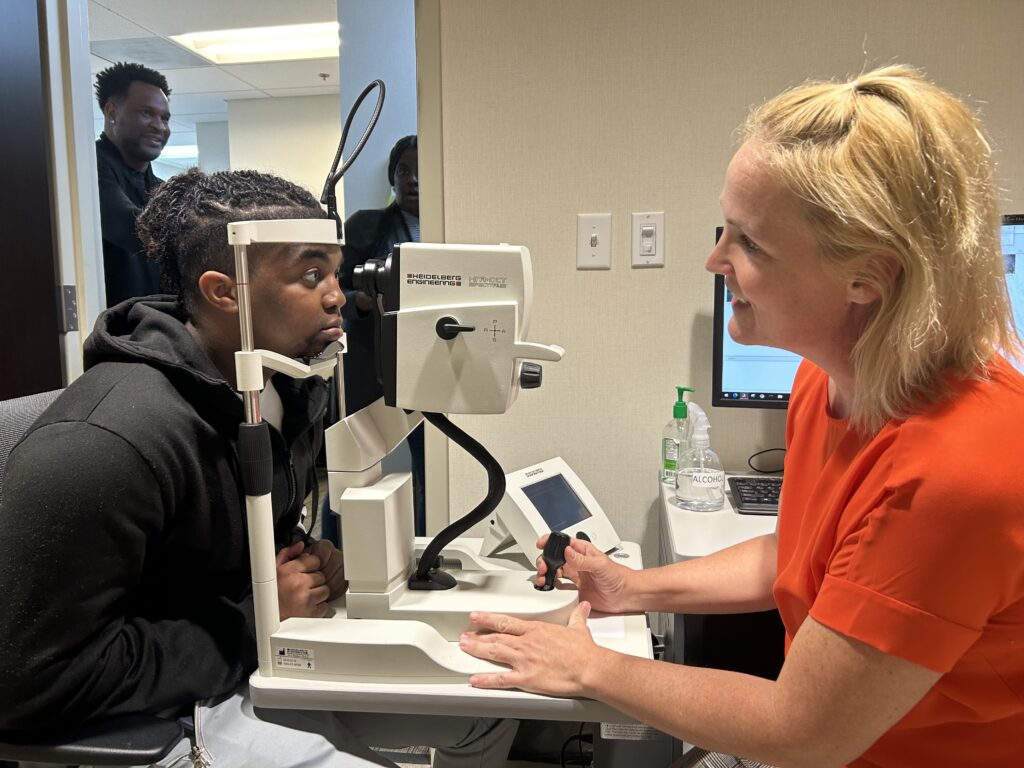
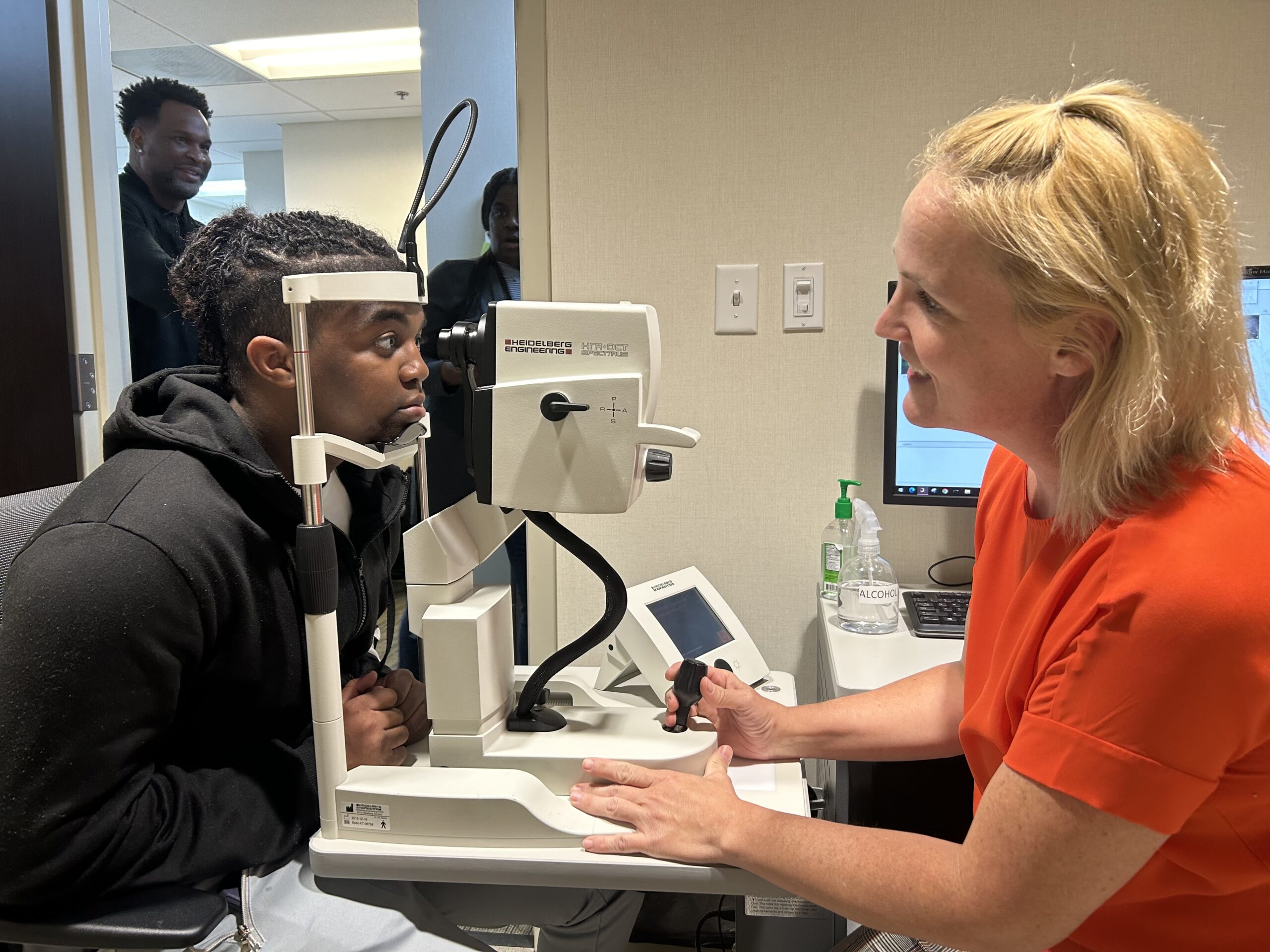
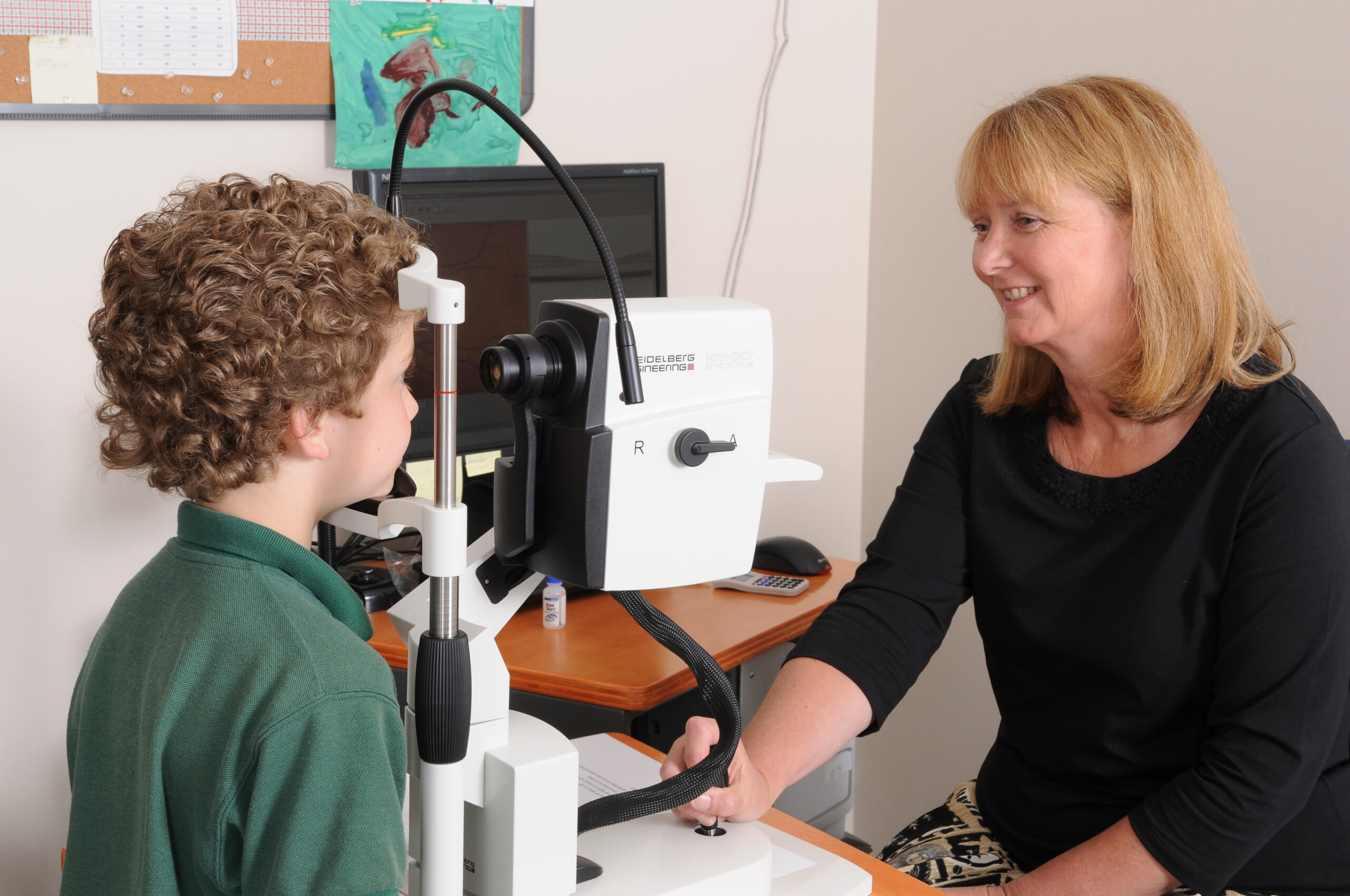
Headed by Dr. Eileen Birch, PhD, the Crystal Charity Ball Pediatric Vision Laboratory specializes in research on technological innovations to improve early detection and treatment of pediatric eye conditions.
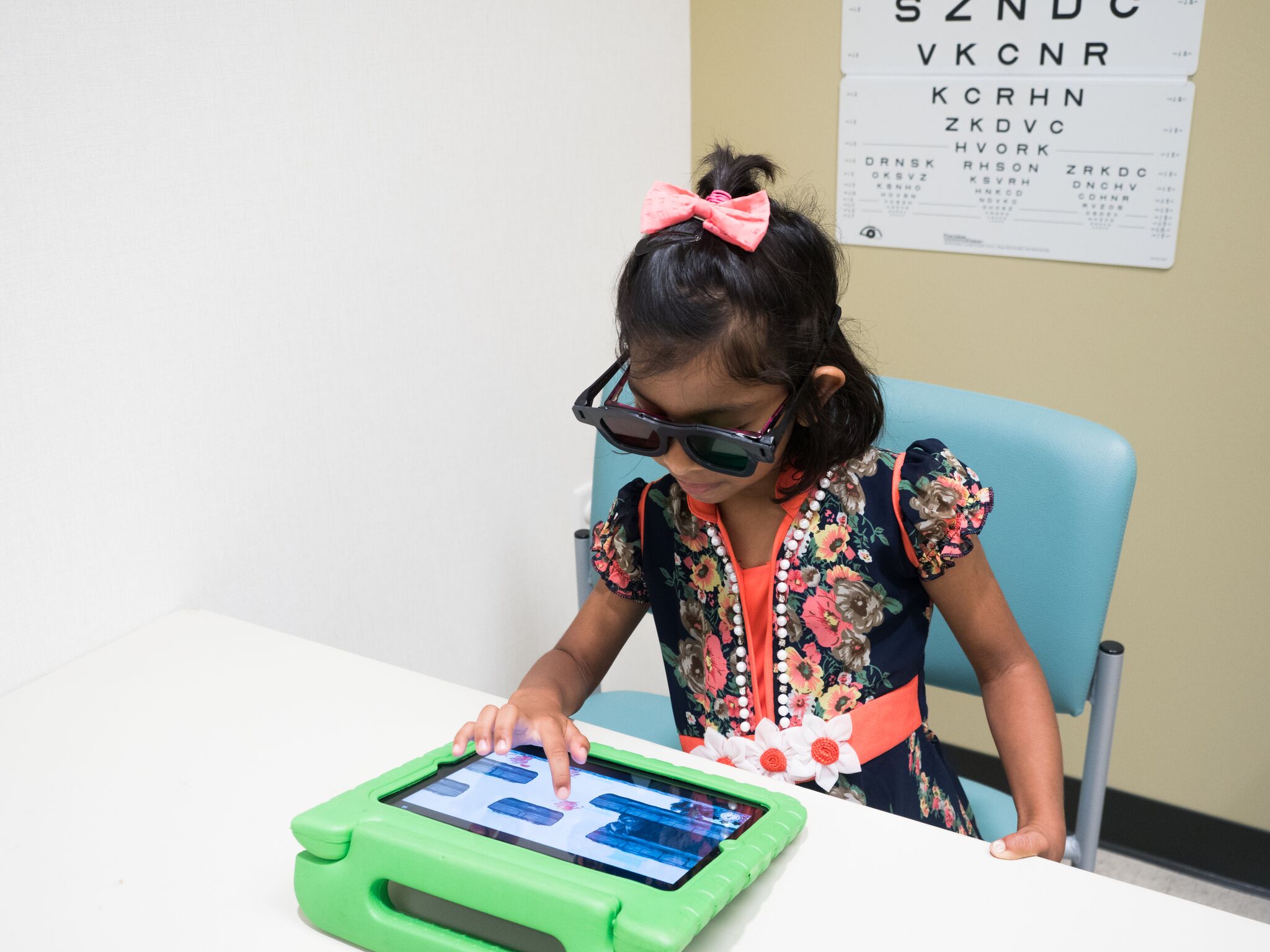
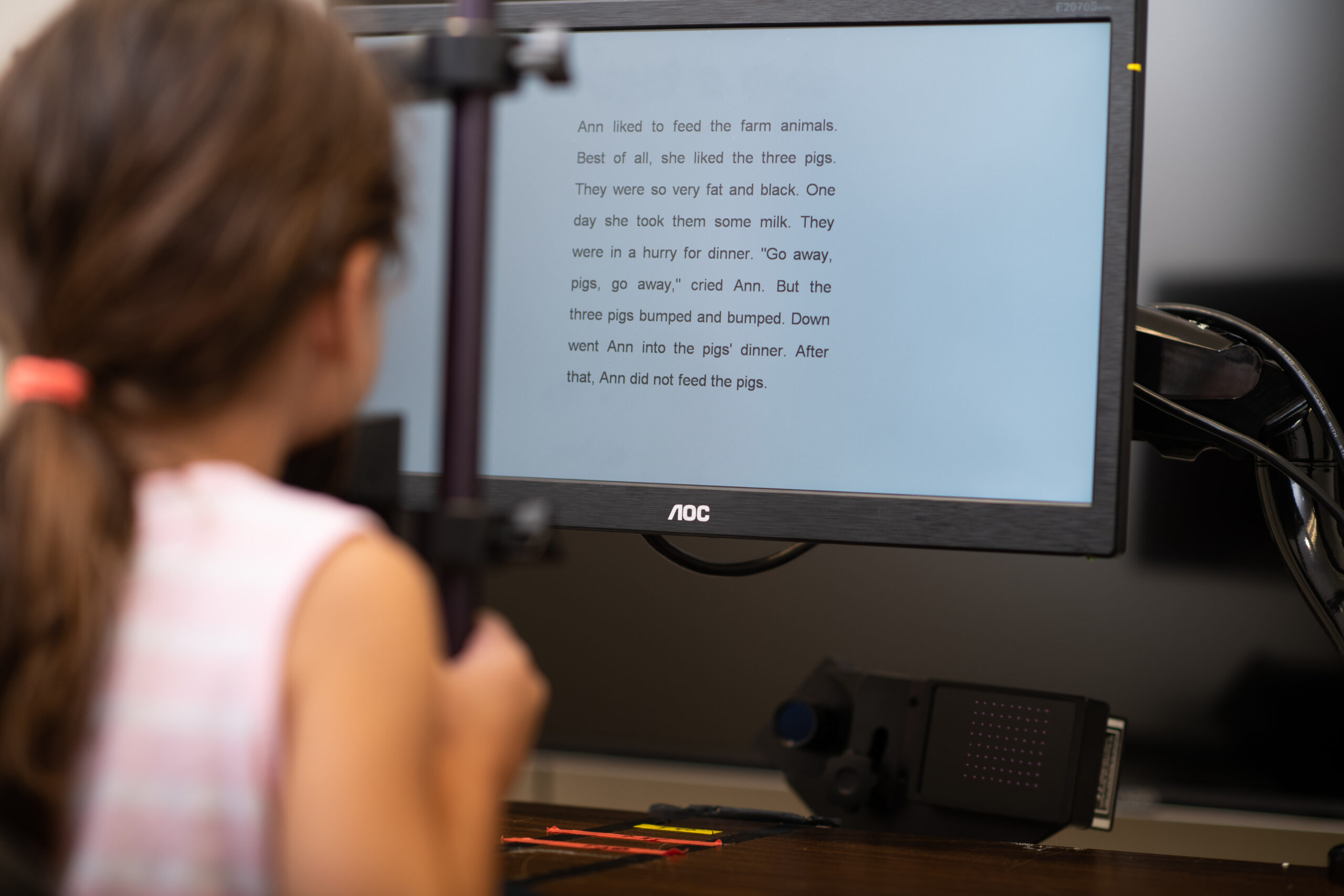
Currently, the Pediatric Vision Laboratory is conducting three clinical trials of novel amblyopia treatments that utilize digital therapeutics. Uniquely, these clinical trials determine how eye conditions affect the whole child, not only vision but also their developing eye-hand coordination, self-perception, and quality of life. Our goal is to prevent lifelong visual impairment due to amblyopia that is only treatable during childhood.
Clinical Trials
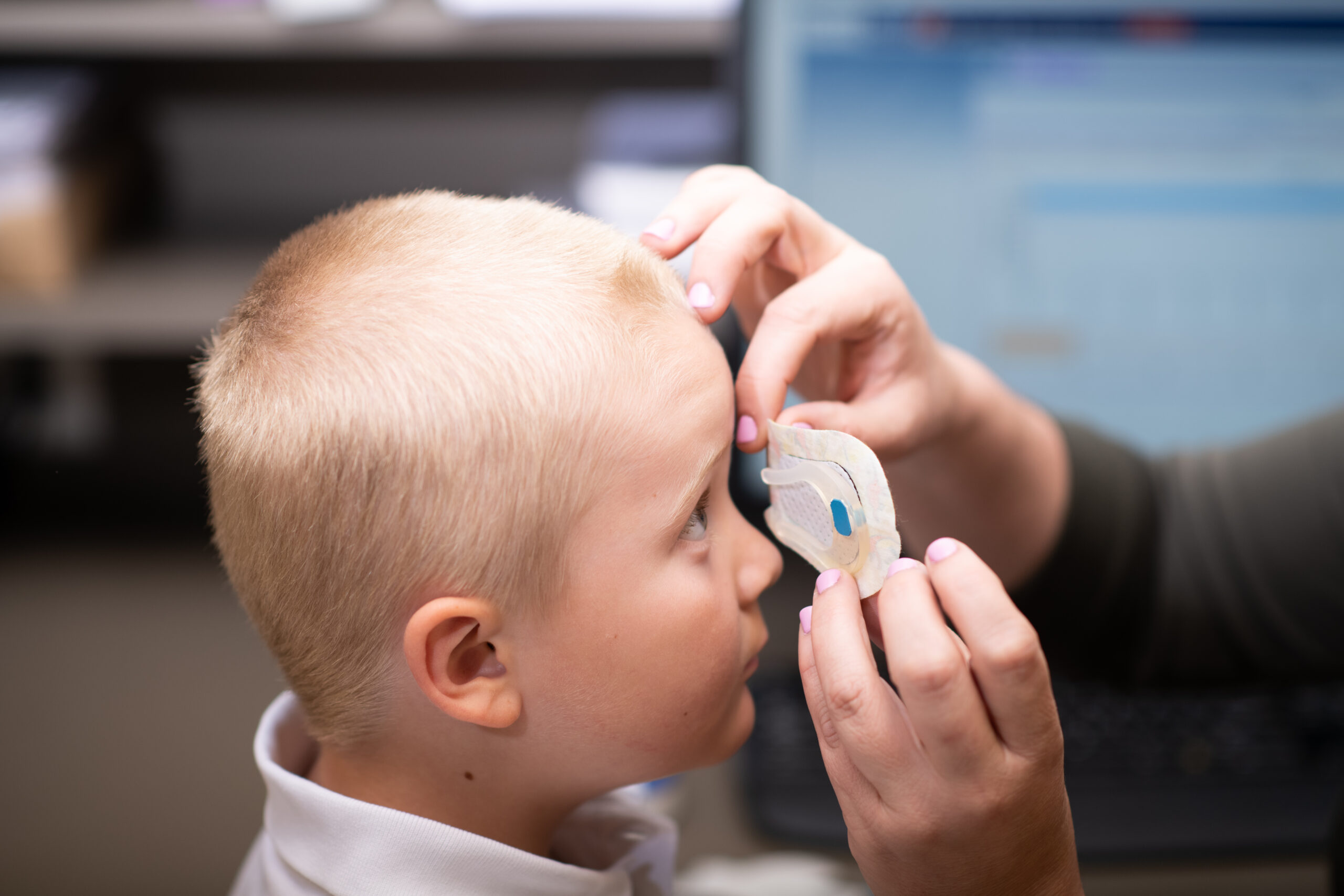
The Crystal Charity Ball Pediatric Vision Laboratory trials are using digital video therapeutics to improve the child’s control of the direction of their eyes, to reduce or eliminate the intermittent outward deviation that characterizes this common pediatric eye condition.
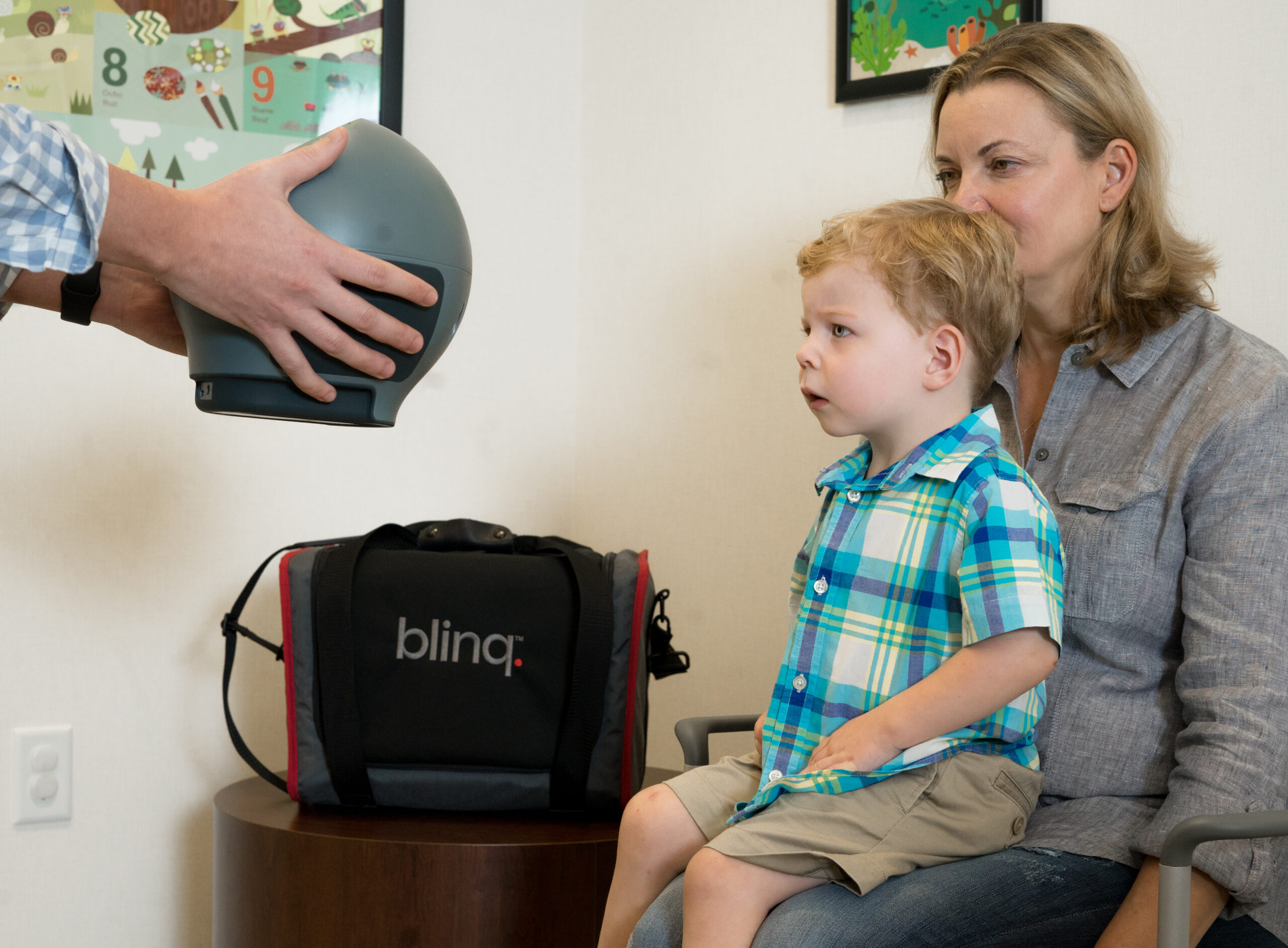
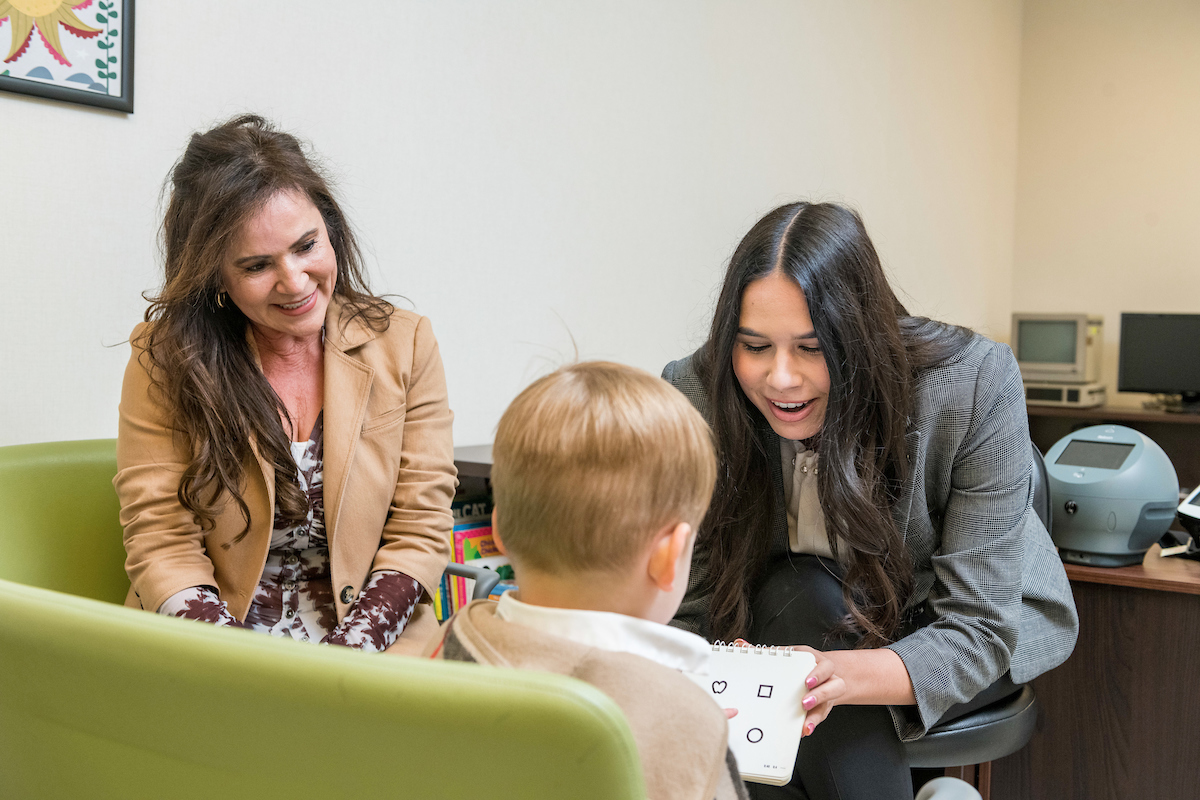
The Pediatric Vision Laboratory also is working to improve early screening for amblyopia and strabismus. Current instrument-based screening methods used at ages 1 to 3 years yield too many false positives, increasing health care costs, and require parents to take off from work, experience anxiety, and lose confidence in screening. Lack of access to instrument-based screening in underserved communities is another negative. We are developing two machine-learning-informed tools to improve vision screening accuracy and to alleviate disparities, a questionnaire to detect amblyopia and a neural network model to detect strabismus from smartphone photographs.
Advancements
After the Retina Foundation discovered that DHA in mother’s milk is necessary for infant eye and brain development, two patents were established for DHA-enhanced infant formula to enhance eye and brain development. Now, enhanced formula containing DHA is sold worldwide.
The Retina Foundation’s discovery that congenital cataracts must be removed during the first weeks of life to enable normal vision and brain development transformed surgical practice on infants with cataracts.
Among the many diagnostic advancements made in pediatrics by the Retina Foundation, The ATS-HOTV and E-ETDRS visual acuity tests, the Randot Preschool Stereoacuity Test , and the Worth 4-Shape Fusion test are all now used widely in pediatric clinics and clinical trials.
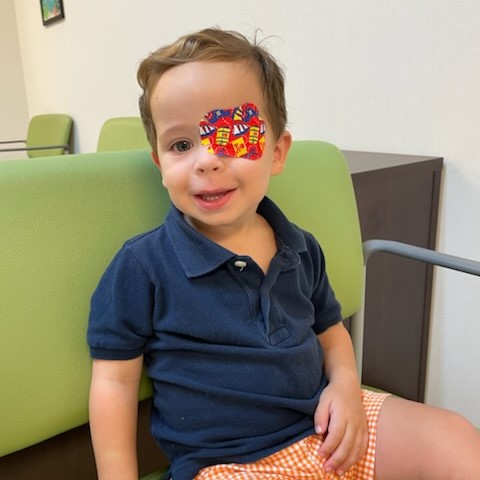
The Retina Foundation determined that amblyopia (lazy eye) can be effectively treated with digital therapeutics, including dichoptic games and videos, rather than the standard treatment of patching the fellow eye.
Experts
Eileen Birch, PhD
Chief Scientific Officer and Scientific Director
Reed Jost, MS
Research Associate
Christina Cheng-Patel, CCRP
Certified Clinical Research Coordinator
Headed by Dr. Eileen Birch, PhD, the Crystal Charity Ball Pediatric Vision Laboratory specializes in research on technological innovations to improve early detection and treatment of pediatric eye conditions.
Currently, the Pediatric Vision Laboratory is conducting three clinical trials of novel amblyopia treatments that utilize digital therapeutics. Uniquely, these clinical trials determine how eye conditions affect the whole child, not only vision but also their developing eye-hand coordination, self-perception, and quality of life. Our goal is to prevent lifelong visual impairment due to amblyopia that is only treatable during childhood.
Clinical trials for the treatment of intermittent exotropia are conducted in the Pediatric Vision Laboratory. These trials are using digital video therapeutics to improve the child’s control of direction of their eyes, with the goal of reducing or eliminating the intermittent outward deviation that characterizes this common pediatric eye condition.
The Pediatric Vision Laboratory also is working to improve early screening for amblyopia and strabismus. Current instrument-based screening methods used at ages 1 to 3 years yield too many false positives, increasing health care costs, and require parents to take off from work, experience anxiety, and lose confidence in screening. Lack of access to instrument-based screening in underserved communities is another negative. We are developing two machine-learning-informed tools to improve vision screening accuracy and to alleviate disparities, a questionnaire to detect amblyopia and a neural network model to detect strabismus from smartphone photographs.
Advancements in the Pediatric Vision Laboratory
After the Retina Foundation discovered that DHA in mother’s milk is necessary for infant eye and brain development, two patents were established for DHA-enhanced infant formula to enhance eye and brain development. Now, enhanced formula containing DHA is sold worldwide.
The Retina Foundation’s discovery that congenital cataracts must be removed during the first weeks of life to enable normal vision and brain development transformed surgical practice on infants with cataracts.
Among the many diagnostic advancements made in pediatrics by the Retina Foundation, The ATS-HOTV and E-ETDRS visual acuity tests, the Randot Preschool Stereoacuity Test , and the Worth 4-Shape Fusion test are all now used widely in pediatric clinics and clinical trials.
The Retina Foundation determined that amblyopia (lazy eye) can be effectively treated with digital therapeutics, including dichoptic games and videos, rather than the standard treatment of patching the fellow eye.
Get expert help
Get the Latest Updates
Sign up to receive the “Recently @Retina” newsletter to keep up-to-date.